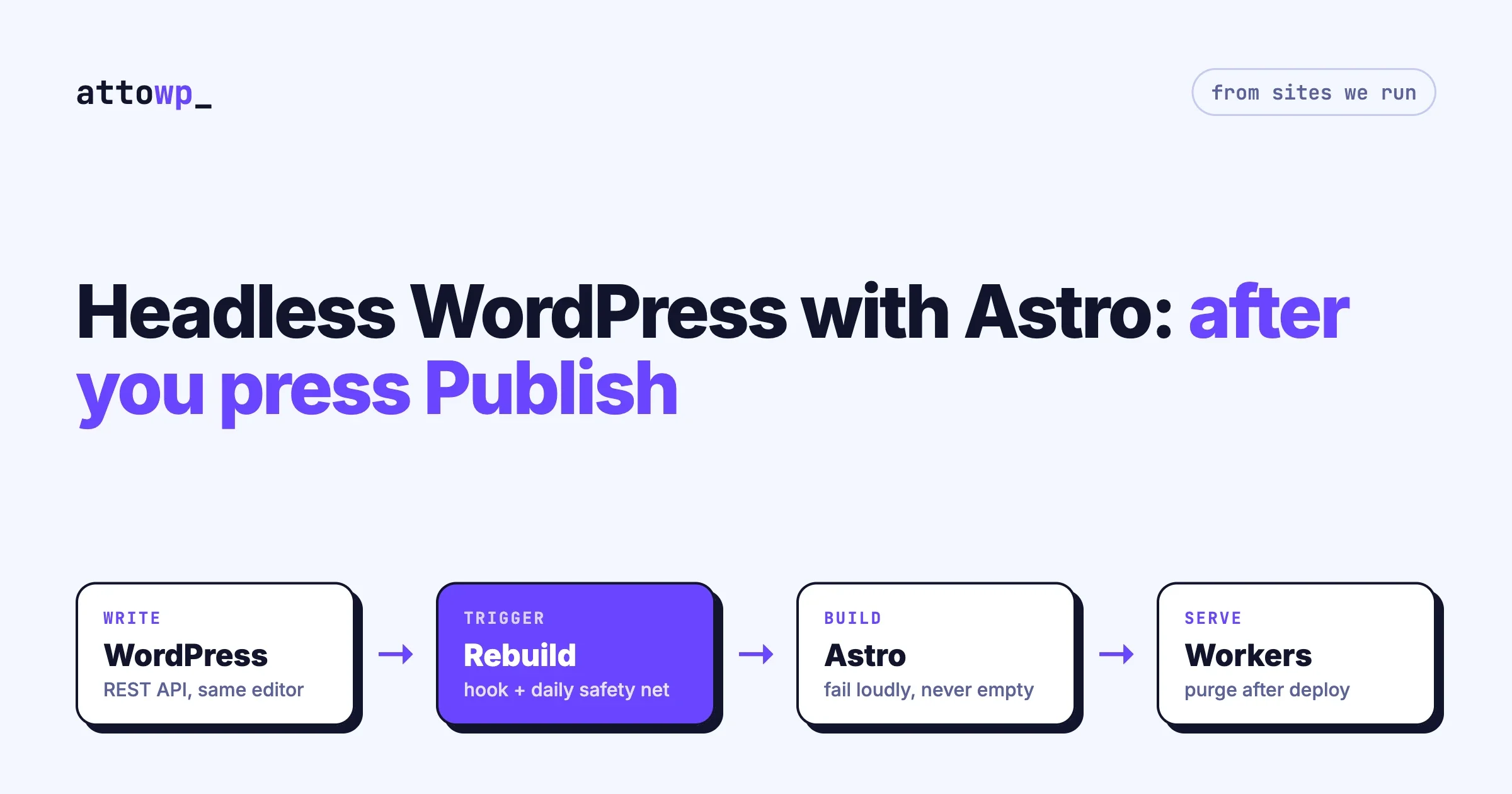
Headless WordPress with Astro: The Complete 2026 Guide
Headless WordPress with Astro, from sites we run: two build patterns, fetching that never ships an empty blog, rebuild triggers and the caches that go stale.
Headless WordPress with Astro, from sites we run: two build patterns, fetching that never ships an empty blog, rebuild triggers and the caches that go stale.
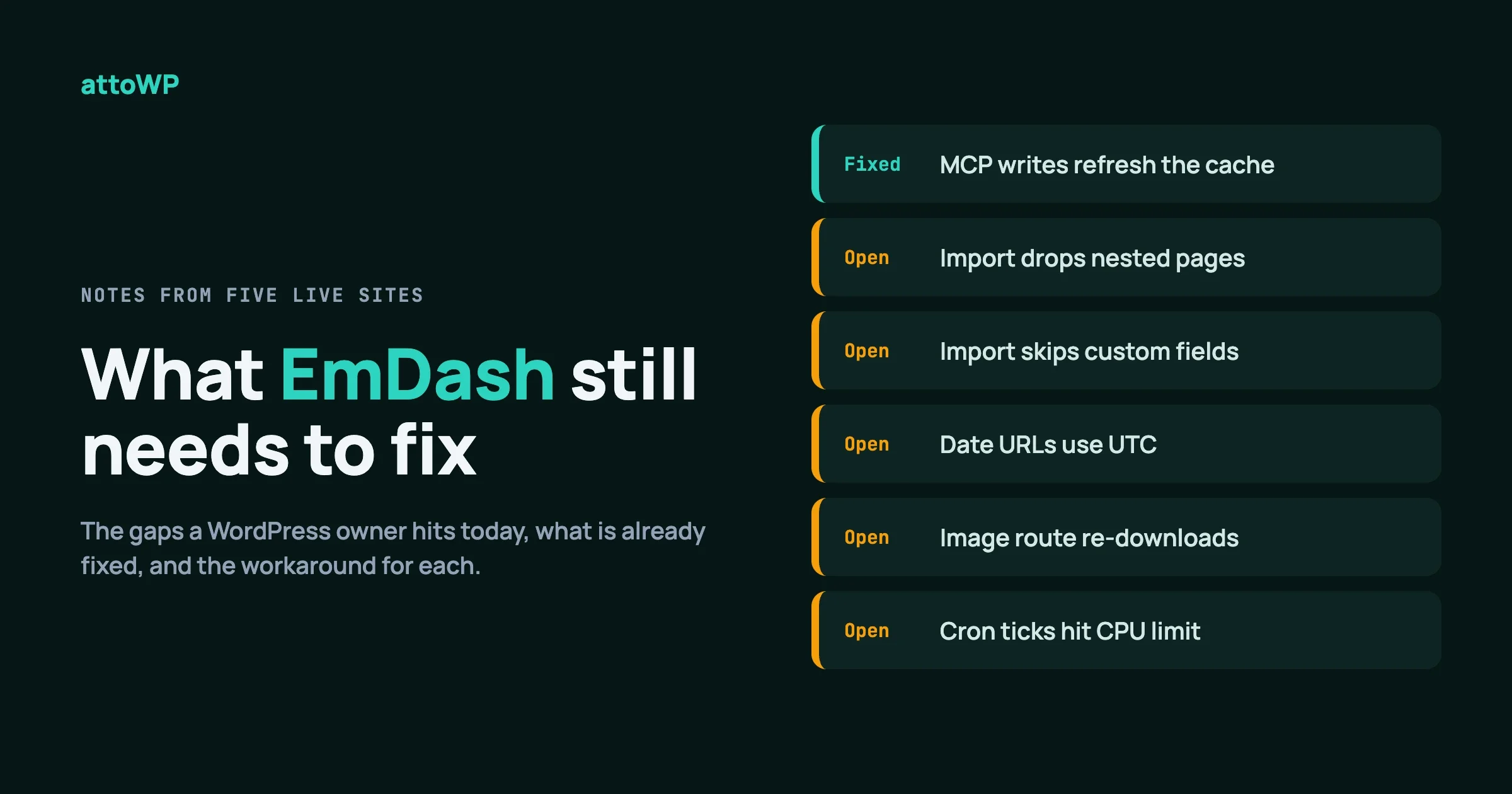
What EmDash still needs before a WordPress owner can move without a developer, from running five live sites on it. Each upstream issue re-checked on 5 October 2026, with the fixes credited.
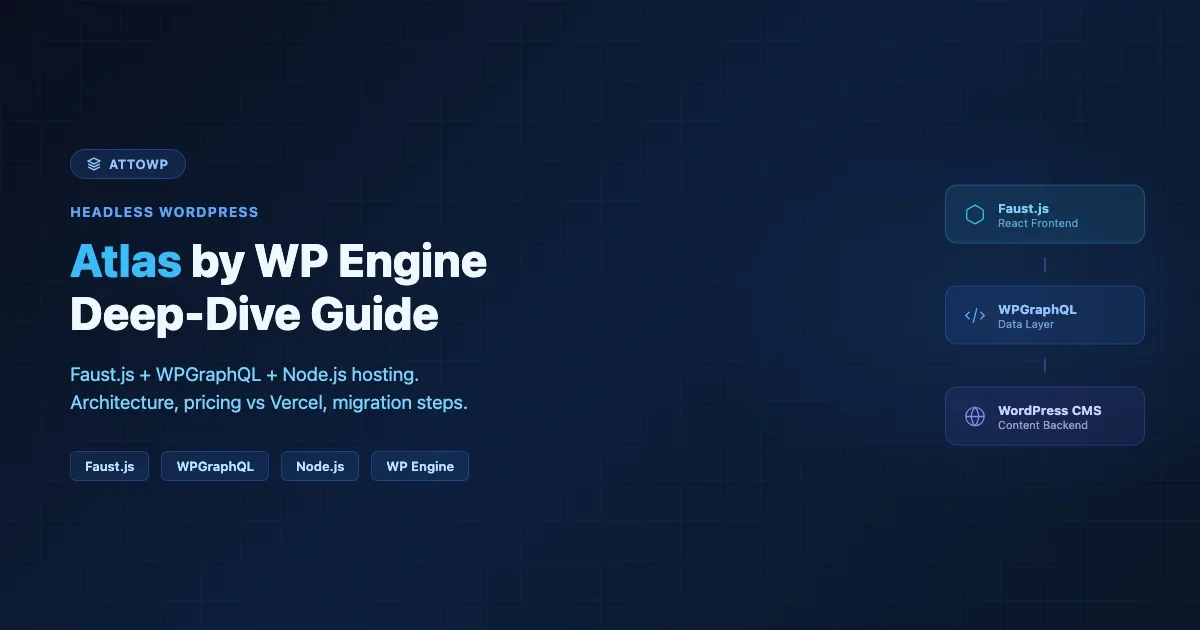
WP Engine Atlas bundles managed Node.js hosting, Faust.js, and WP GraphQL into one headless WordPress platform. This guide covers the architecture, pricing vs self-hosting, migration steps, and when Atlas makes sense over a DIY Vercel stack.
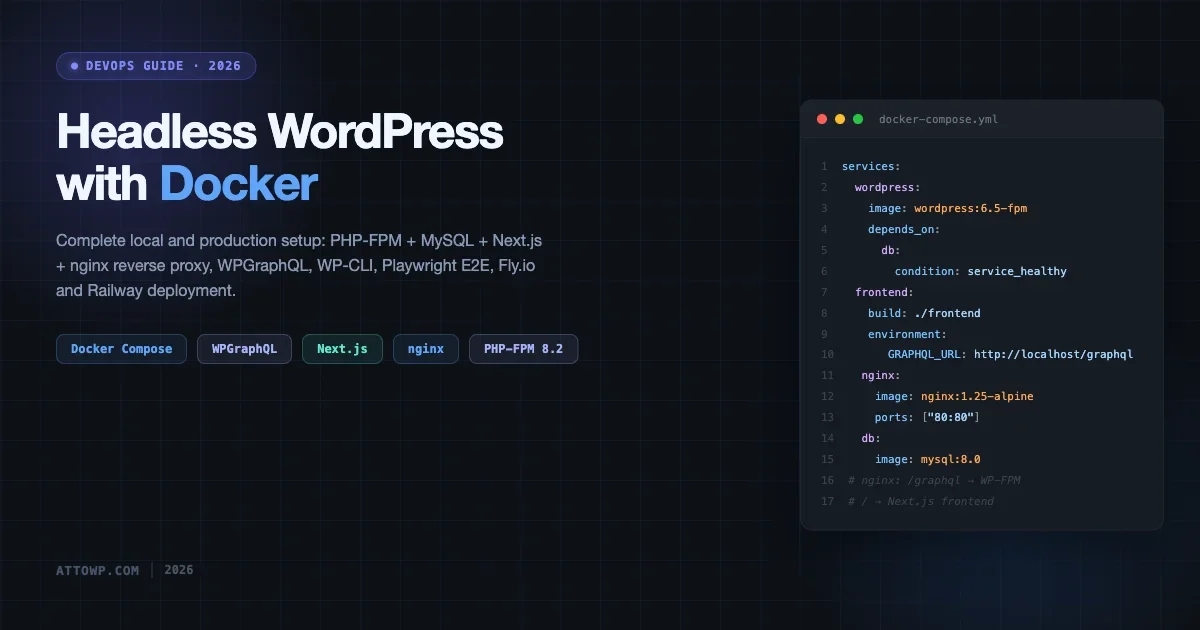
Complete guide to running WordPress as a headless CMS with Docker. Covers docker-compose.yml, WPGraphQL, nginx routing, WP-CLI, Playwright E2E, and production deployment on Fly.io, Railway, and VPS.
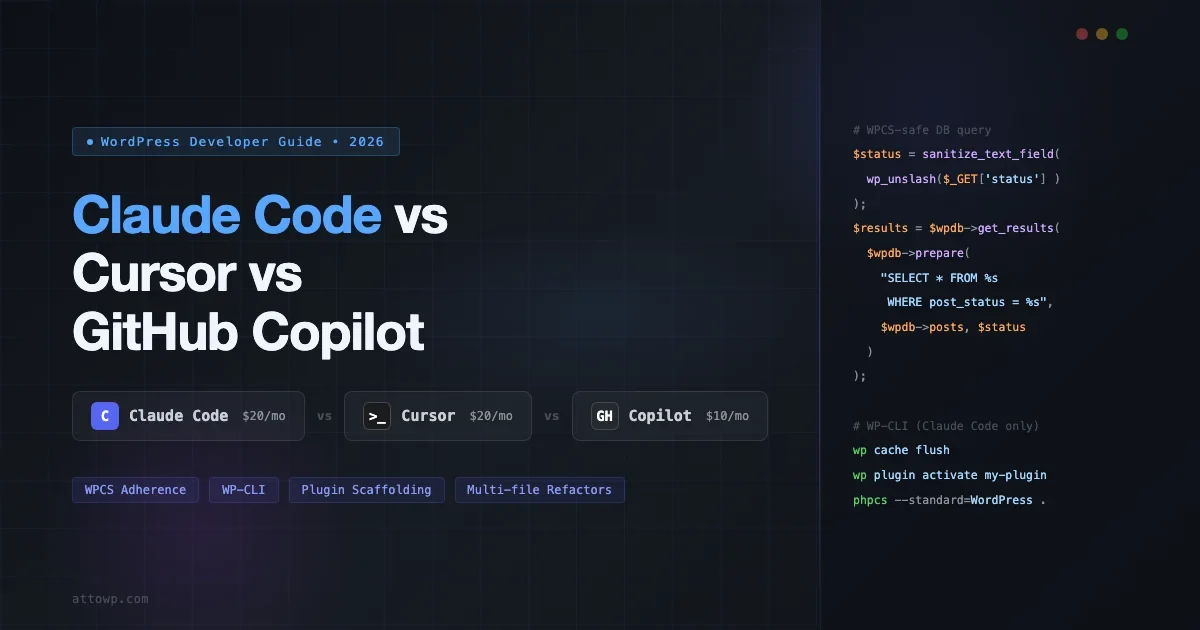
Claude Code vs Cursor vs GitHub Copilot compared for WordPress developers in 2026. WPCS adherence, WP-CLI integration, plugin scaffolding, and real tradeoffs.
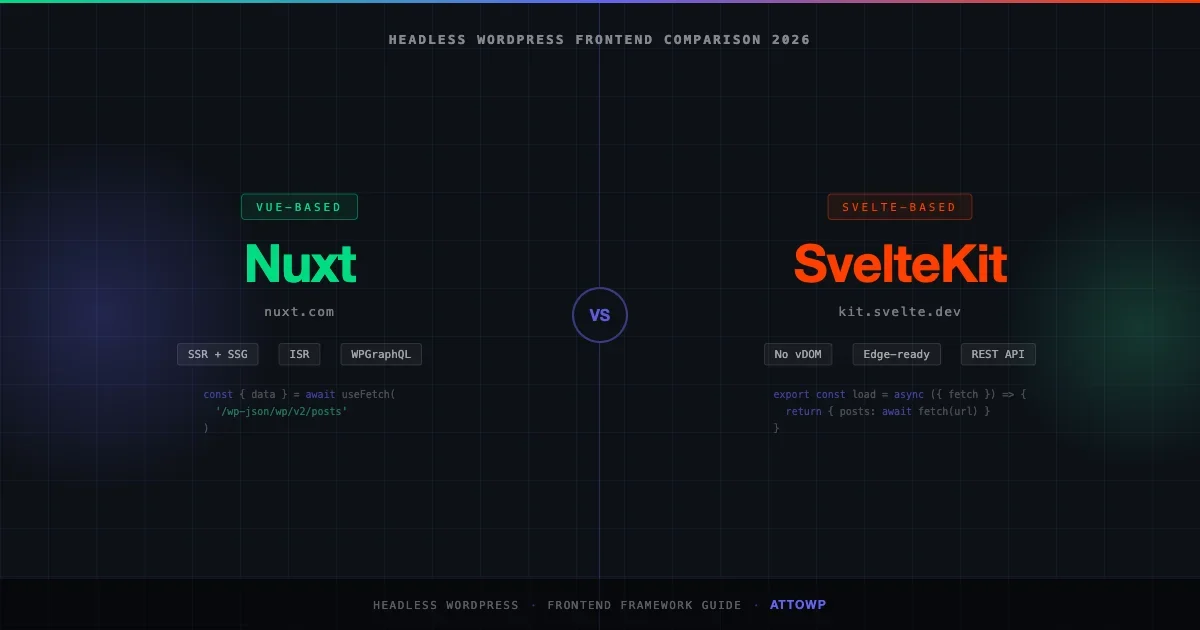
Nuxt vs SvelteKit for headless WordPress in 2026: REST API, WPGraphQL, ISR, preview mode, and when to pick each framework.
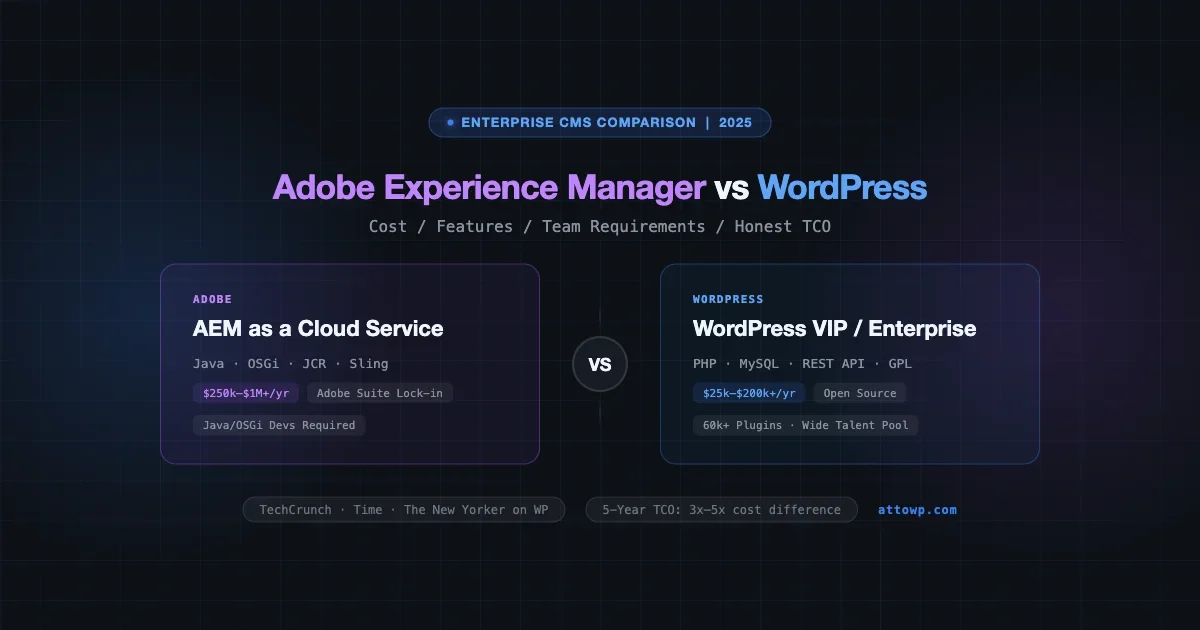
AEM vs WordPress: real cost data ($250k-$1M+/yr AEM vs $25k+ VIP), team requirements, performance at scale, and when each platform actually wins.
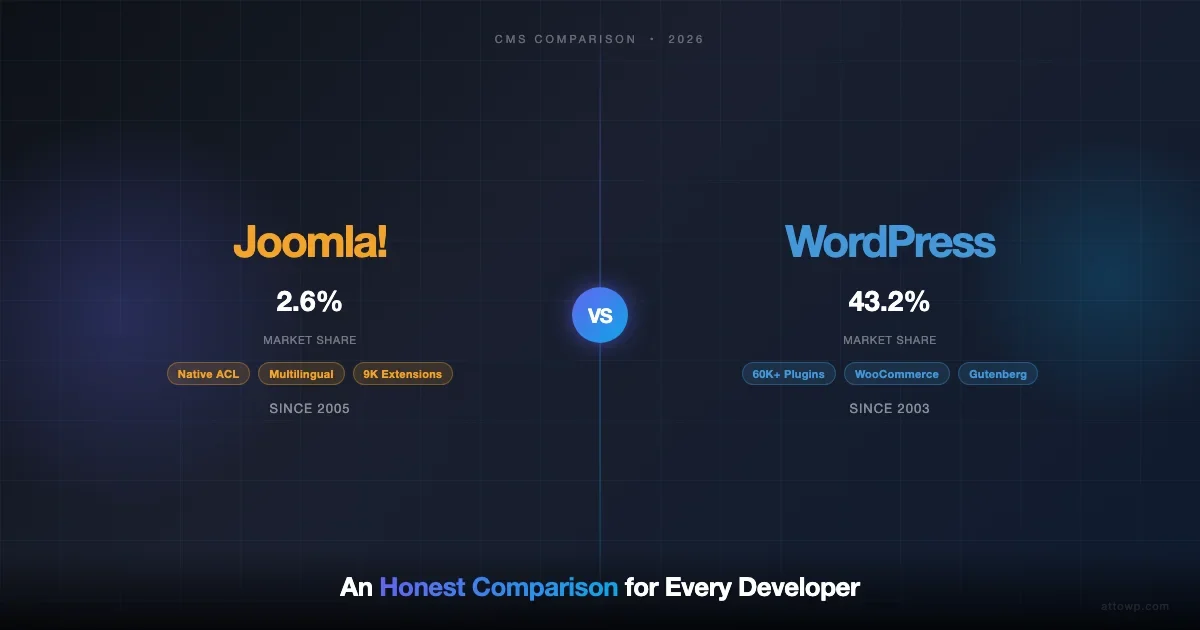
An honest, in-depth comparison of Joomla vs WordPress for 2026 — covering Admin UX, extensions vs plugins, ACL, multilingual support, community size, market share, migration paths, and when to choose each platform.
Statamic vs WordPress: an honest technical comparison of flat-file vs database CMS architecture. Covers Git-based content, Antlers templates, pricing, hosting, developer experience, and which projects suit each platform.
Ghost and WordPress compared side by side in 2026 - editor experience, hosting options, performance benchmarks, built-in memberships, and total cost of ownership.
A complete comparison of headless CMS vs WordPress in 2026 - covering performance, SEO, developer experience, cost, and when to use each approach.
WordPress vs Payload CMS compared side by side. Architecture, performance benchmarks, content modeling, developer experience, plugin ecosystem, hosting costs, and use cases to help you pick the right CMS in 2026.
Hosted CMS platforms handle servers, security, and updates for you - but at the cost of control. A clear look at how SaaS CMS ownership works and what you give up.
WordPress still powers over 40% of the web in 2026. A practical look at why traditional CMS architecture continues to hold its lead despite headless and composable alternatives.
The six types of CMS platforms - traditional, hosted, headless, hybrid, enterprise, and open-source - explained with real platform examples and use-case guidance for each.
How a CMS actually works under the hood - content storage, templating, the admin layer, and how modern CMS platforms deliver pages. A beginner-friendly technical explanation.
A practical overview of CMS platforms in 2026 - what they are, how they differ, and how to choose between traditional, hosted, headless, and hybrid options for your project.
Contentful versus WordPress compared for 2026 - API-first architecture against the world's most-used CMS. Covers developer experience, editorial workflow, pricing, and migration considerations.
Drupal and WordPress compared for 2026 - architecture differences, content modeling, security, developer experience, and which platform fits enterprise versus small business use cases.
WordPress at enterprise scale - multisite, custom post types, REST API, and VIP hosting assessed against real enterprise CMS requirements like access control, audit trails, and performance SLAs.